
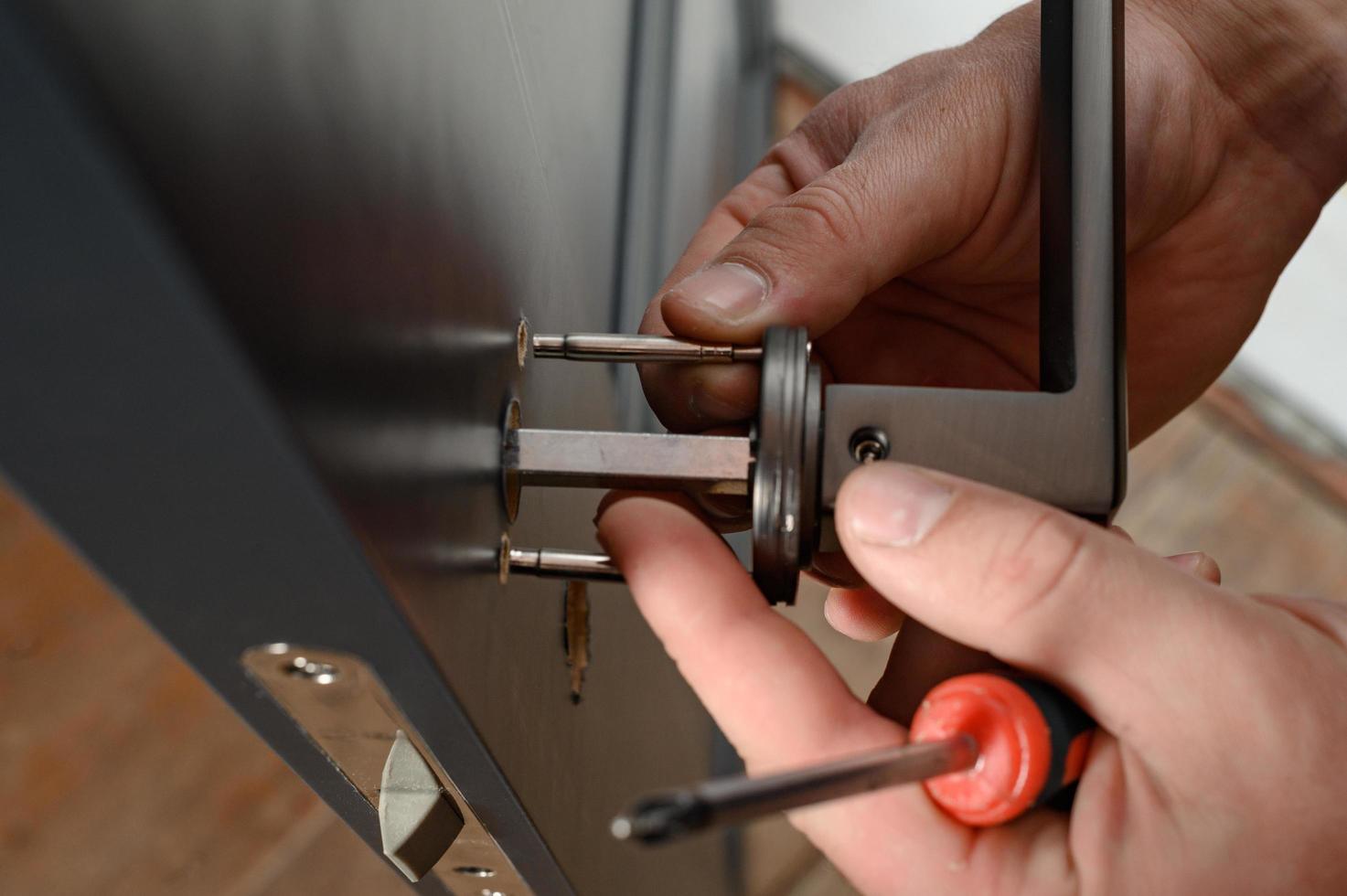
The locksmithing industry offers a wide range of services, from helping people locked out of their cars to securing commercial properties. For many, locksmithing is an attractive career that combines hands-on work with problem-solving skills. For felons, however, certain career paths can be harder to pursue due to legal restrictions and background checks. This raises an important question: can a felon be a locksmith?
What Is a Locksmith?
A locksmith is a skilled professional who installs, repairs, and replaces locks, and provides a range of security-related services. Locksmiths work in diverse settings — residential, commercial, and automotive — and handle everything from basic lock installation to advanced security systems.
Becoming a Locksmith
To become a locksmith, individuals typically need training, hands-on experience, and sometimes a license, depending on the state. The journey generally involves: Training (vocational schools or online courses), Apprenticeship (working under an experienced locksmith), Licensing (required in some states, often includes a background check), and Certification (optional but beneficial through organizations like ALOA).
How Much Does a Locksmith Earn?
The median salary for locksmiths in the United States is around $45,000 per year, but it can range from $30,000 to over $60,000 depending on factors such as city, demand, and expertise. Experienced locksmiths with additional certifications tend to earn more.
An Opportunity for Felons?
For felons, pursuing a locksmithing career comes with unique challenges. Whether a felon can become a locksmith often depends on state laws, licensing requirements, and the nature of the felony. Many states require locksmiths to obtain a license, which often involves a background check. Some states may automatically disqualify individuals with certain felonies, while others review cases individually.
Does the Type of Felony Make a Difference?
Yes, the nature of the felony can impact the chances. Violent crimes, theft, burglary, or fraud-related felonies may pose significant barriers since locksmiths deal with property access and security. Non-violent offenses may be seen as less problematic, and some licensing boards consider appeals with evidence of rehabilitation.
How Felons Can Increase Their Chances of Becoming Locksmiths
- Seek Expungement: In some cases, felons can have their records expunged or sealed.
- Gather Character References: Positive references can demonstrate personal growth and rehabilitation.
- Complete a Certification Program: Certification through ALOA can demonstrate dedication to the field.
- Consider Self-Employment: Starting a business may be a path for those facing employment challenges.
- Network Within the Industry: Building connections can help felons learn about potential opportunities.
- Prove Rehabilitation: Demonstrating evidence of rehabilitation positively impacts licensing boards.
Conclusion
While becoming a locksmith can be challenging for felons, it is not impossible. By taking steps to seek expungement, building a network, and demonstrating rehabilitation, felons can improve their chances of pursuing a career in locksmithing.
