
The main types of cupboard locks are cam locks, mortise locks, deadbolt locks, magnetic locks, combination locks, electronic (smart) locks, swing handle locks, rim latch locks, padlocks, hasp locks, sliding door locks, and child-safety locks. The best cupboard lock for you depends on three things: how much security you need, who needs access, and the type of cupboard — wooden, metal, kitchen cabinet, or wardrobe.
In short: choose a mortise or deadbolt lock for maximum security on wooden cupboards, a cam lock for office cabinets and drawers, a magnetic or child-safety lock for kitchen cabinets and childproofing, and an electronic lock for keyless shared access. Below you will find every cupboard lock type explained, a security and cost comparison table, and a practical buying guide to help you choose.
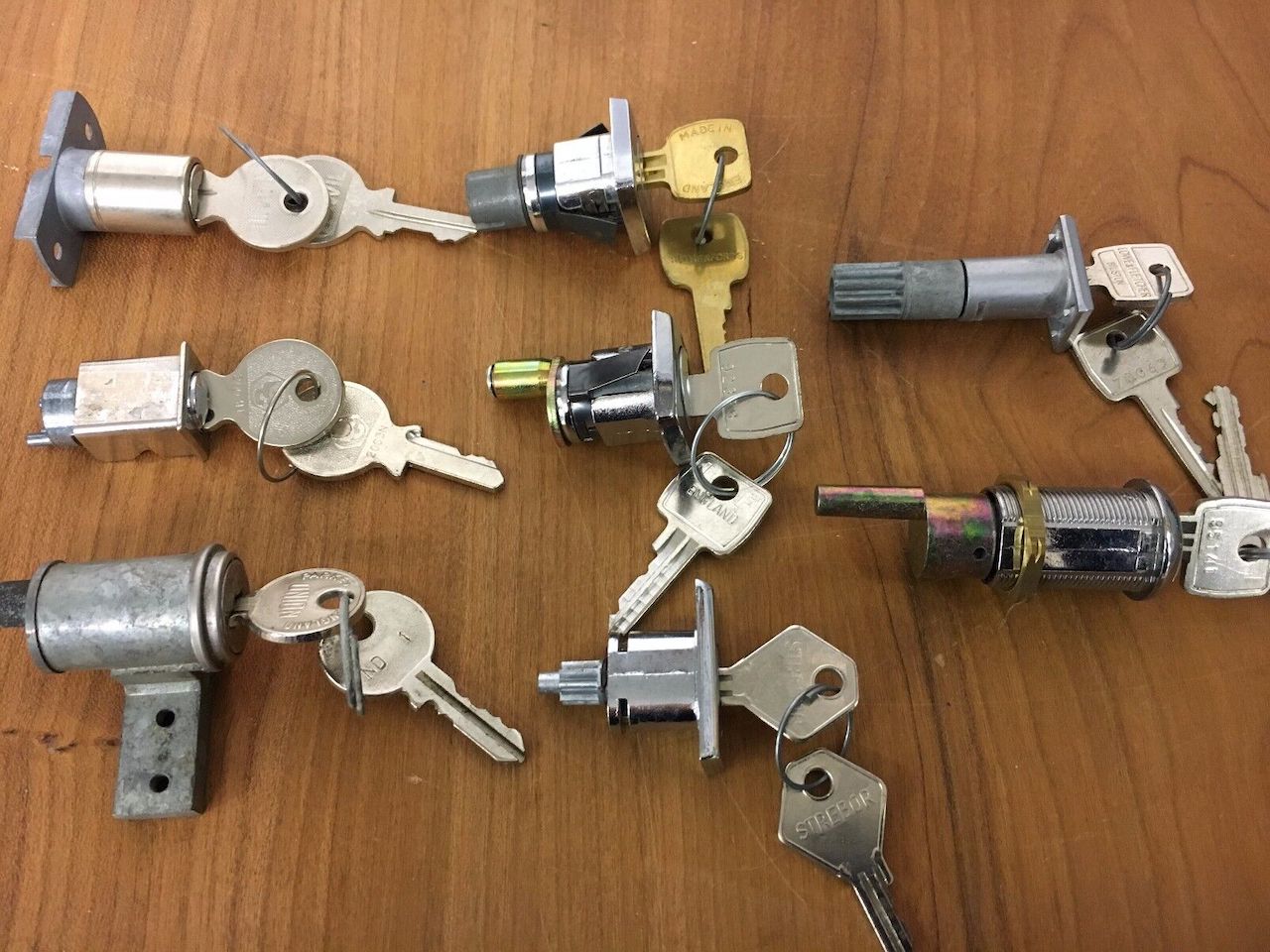
Cupboard Lock Types Compared (Security & Cost)
Use this quick comparison table to match a cupboard lock type to your budget, security level, and use case before reading the detailed breakdown below.
| Lock Type | Security | Cost | Keyless? | Best For |
|---|---|---|---|---|
| Cam Lock | Medium | Low | No | Office cabinets & drawers |
| Mortise Lock | High | High | No | Wooden cupboards |
| Deadbolt Lock | High | Medium | No | High-value storage |
| Magnetic Lock | Low–Medium | Medium | Yes | Child safety, hidden latches |
| Combination Lock | Medium | Low | Yes | Shared spaces |
| Electronic / Smart Lock | High | High | Yes | Keyless & app-controlled access |
| Swing Handle Lock | Medium–High | Medium | No | Industrial enclosures |
| Rim Latch Lock | Low–Medium | Low | No | Light wooden cupboards |
| Padlock | Medium | Low | Optional | Cupboards with a hasp/loop |
| Hasp Lock | Medium | Low | No | Storage & outdoor cupboards |
| Sliding Door Lock | Medium | Medium | Optional | Sliding wardrobes |
| Child-Safety Lock | Low | Low | Yes | Kitchen cabinets, toddlers |
12 Types of Cupboard Locks Explained
Here is a detailed description of each cupboard lock type, how it works, and where it fits best so you can choose with confidence.
1. Cam Locks
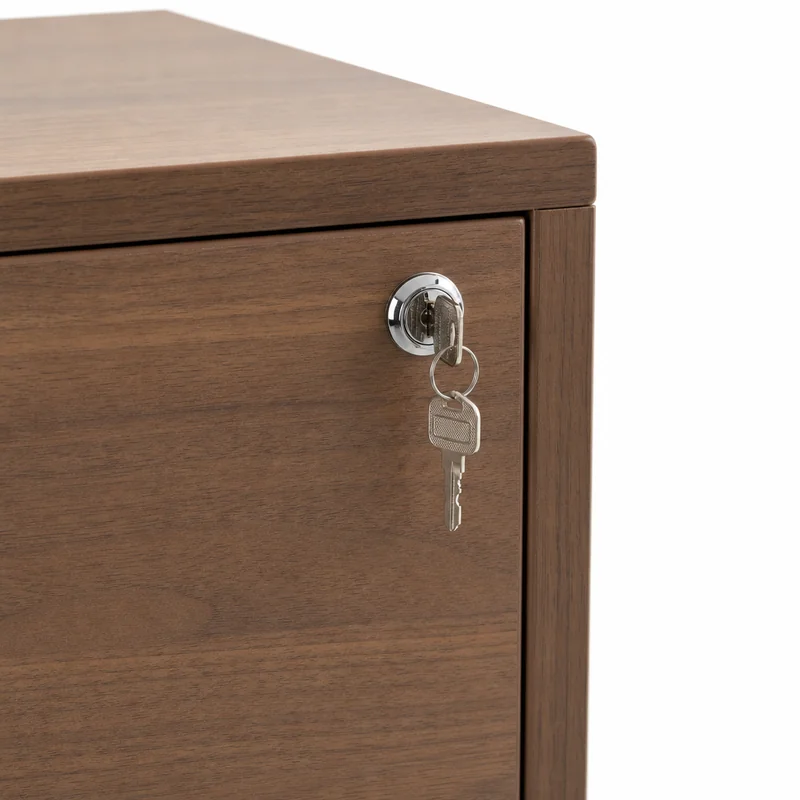
Cam locks are one of the most popular cupboard locks thanks to their simplicity and versatility. A key turns a flat metal arm (the cam) that rotates behind the door to lock or release it. They come in many lengths and keying options, which is why you see them on office cabinets, mailboxes, drawers, and display cases. Cam locks offer medium security at a low cost, making them ideal for everyday commercial and residential cabinets.
2. Mortise Locks
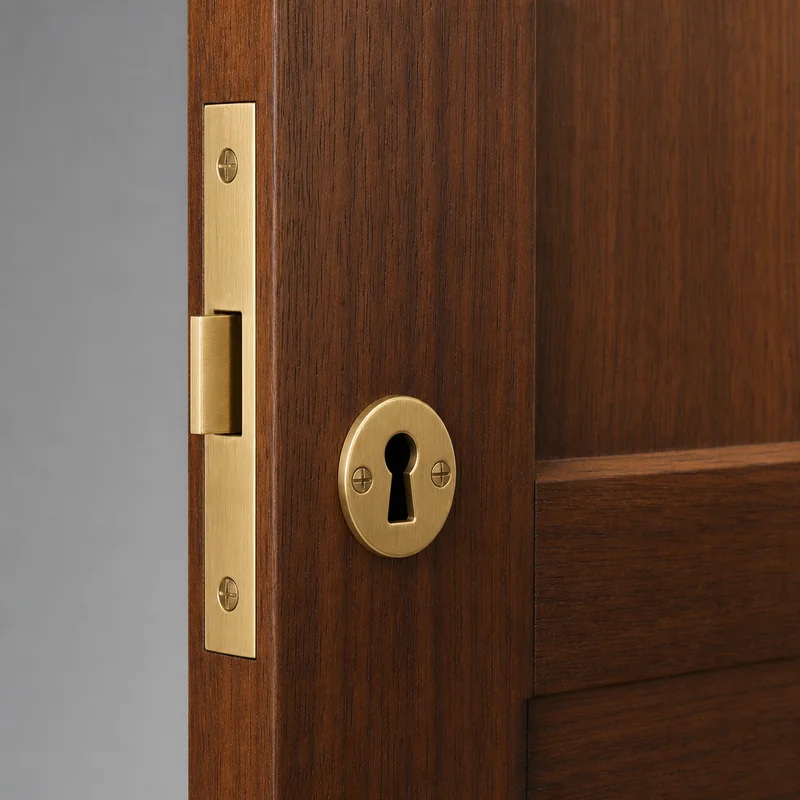
Mortise cupboard locks sit inside a pocket (mortise) cut into the edge of the cupboard door, leaving only the keyhole and faceplate visible. Because the lock body is embedded in the timber, mortise locks are far harder to force than surface-mounted options and are the go-to choice for solid wooden cupboards, antique furniture, and gun cabinets. They cost more and need careful installation, but deliver high security and a clean, traditional look. To understand how they compare with other embedded mechanisms, see our guide on mortise lock vs cylindrical lock.
3. Deadbolt Locks
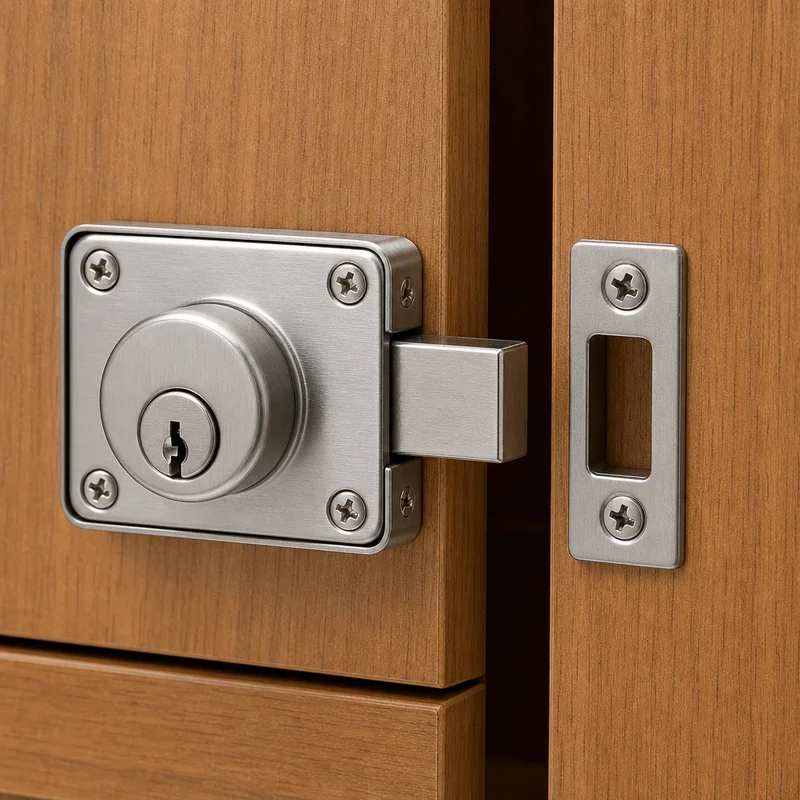
Deadbolt locks throw a solid bolt deep into the door frame, resisting prying and forced entry far better than spring latches. On cupboards, mini or cabinet deadbolts are used to protect valuables, medication, firearms, or sensitive documents. They provide high security at a moderate cost and suit both residential and commercial cabinets where strong protection is the priority.
4. Magnetic Locks
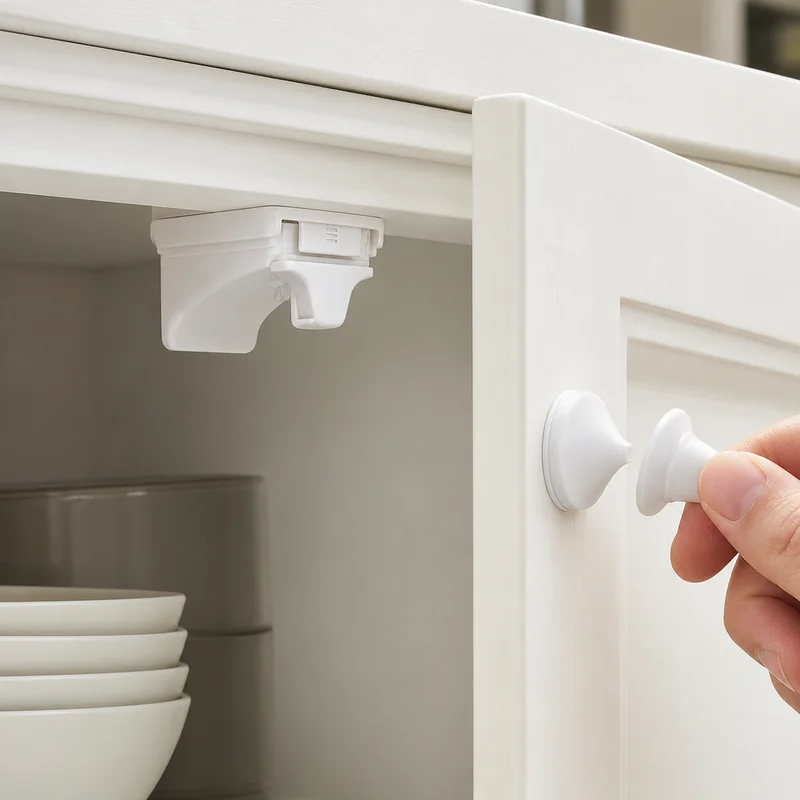
Magnetic cupboard locks hold doors shut using a hidden magnet and are released with a separate magnetic “key.” Because there is no visible hardware, they keep your furniture looking clean and are extremely popular for childproofing kitchen and bathroom cabinets. They install with screws or strong adhesive inside the door. Security is low to medium — they stop curious toddlers, not determined intruders — but they excel at safety and aesthetics.
5. Combination Locks
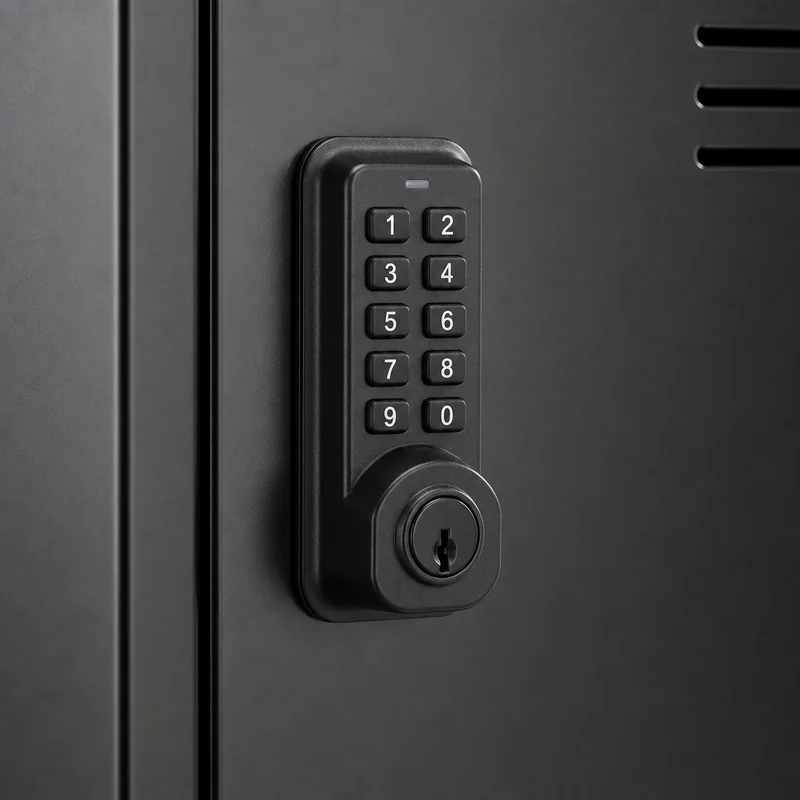
Combination locks use a numeric code instead of a key, giving keyless entry that is perfect for shared spaces such as offices, gyms, schools, and rental properties. They remove the hassle of key duplication and lost keys, and come in mechanical dial and push-button versions. Security is medium and cost is low, with the main benefit being convenient, key-free access control.
6. Electronic & Smart Locks
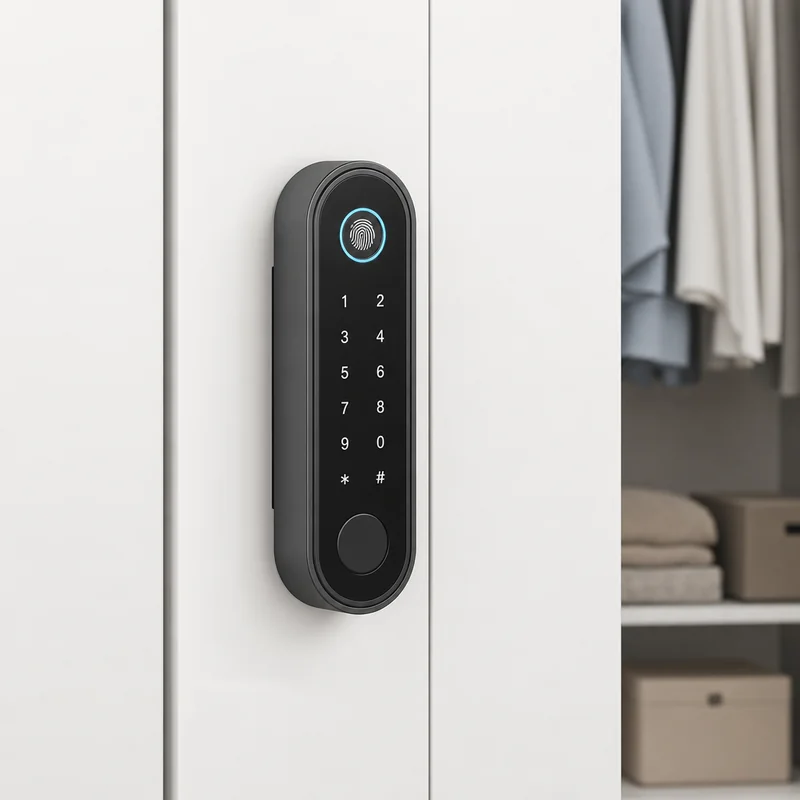
Electronic cupboard locks open with a PIN pad, RFID card, fingerprint, or smartphone app. Smart versions let you grant temporary access, track who opened the cabinet, and lock remotely — ideal for medication carts, server cabinets, retail displays, and modern wardrobes. They offer high security and full keyless control, but cost more and need batteries or wiring.
7. Swing Handle Locks
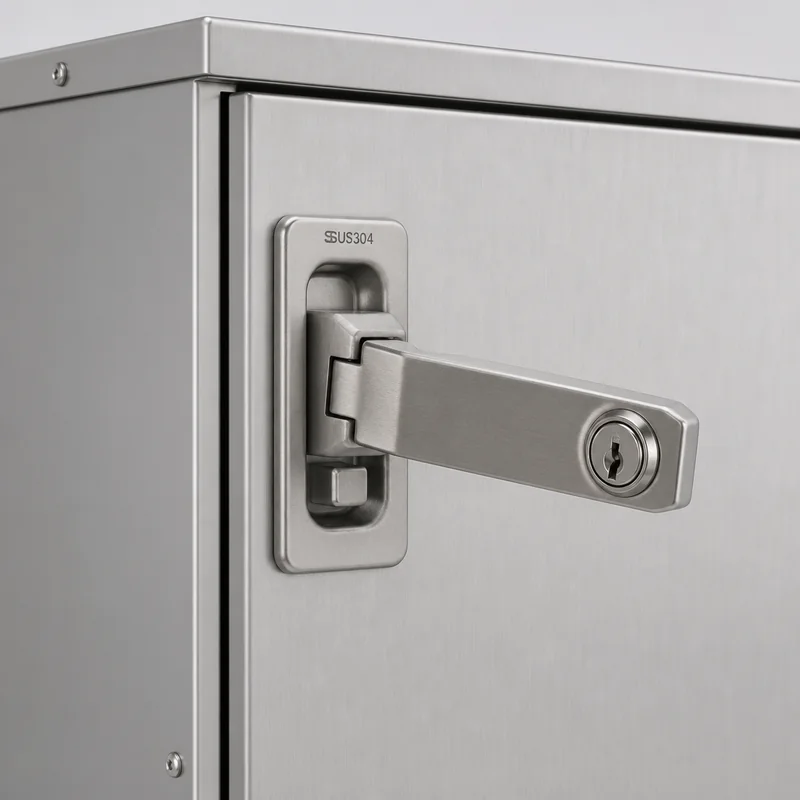
Swing handle locks combine a recessed handle that swings out for grip with an integrated locking mechanism, often a key cylinder or padlock loop. Built for frequent use and rugged conditions, they are common on industrial enclosures, server racks, and metal cabinets. They balance secure closure with easy access and come in many materials and finishes.
8. Rim Latch Locks
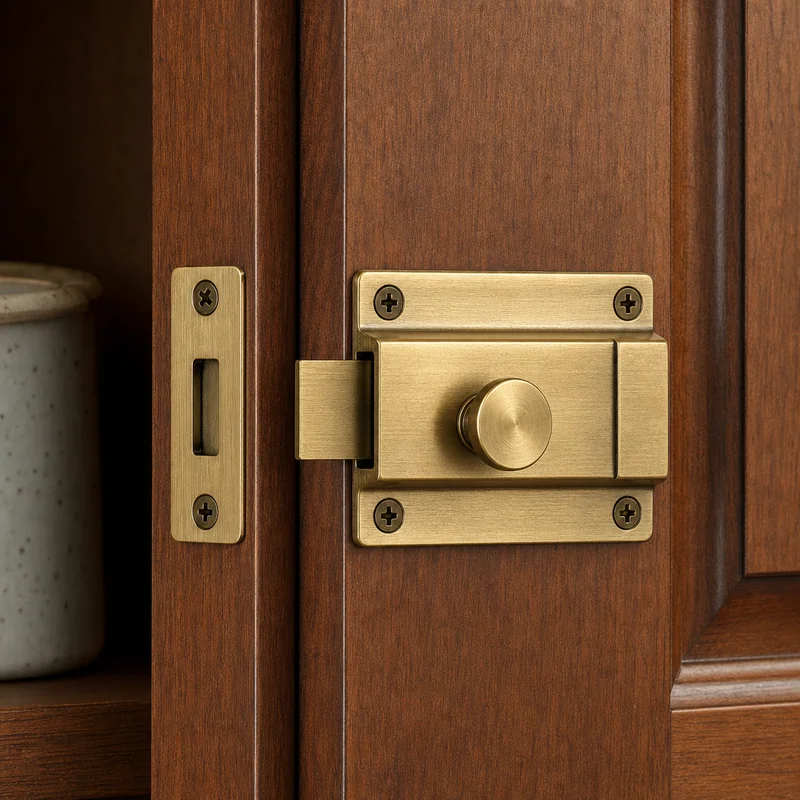
Rim latch locks are surface-mounted on the inside face of the door and engage a strike plate on the frame. They are simple to fit on wooden cupboards and storage units, making them a favourite for quick, low-cost security. Protection is basic, but their durability and easy installation keep them popular in homes and light commercial settings.
9. Padlocks
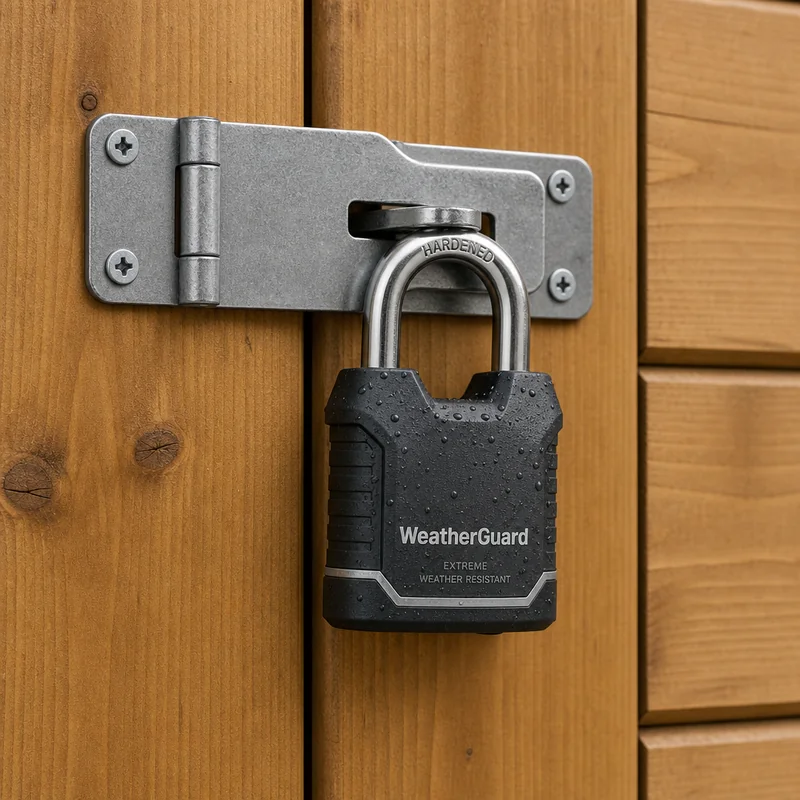
Padlocks pair with a hasp or loop to secure cupboards, sheds, and lockers, offering portable, removable security. They range from cheap travel locks to high-security, weather-resistant models with hardened shackles, so they work indoors and outdoors. Choose key, combination, or smart padlocks depending on whether you want convenience or maximum control.
10. Hasp Locks
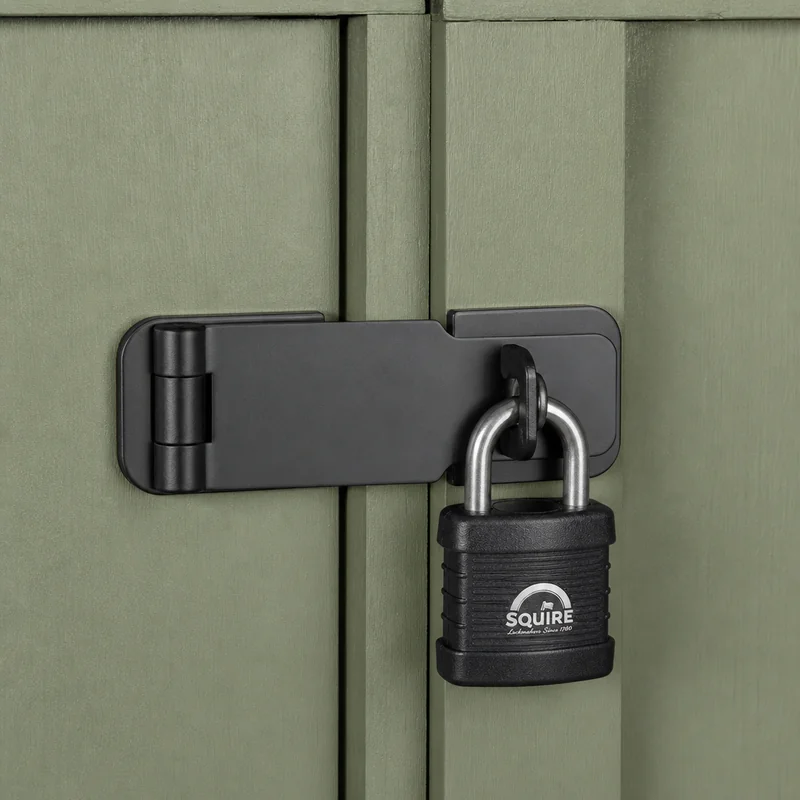
A hasp is a hinged metal plate and staple that you secure with a padlock. Hasp locks are an inexpensive way to add lockable security to almost any cupboard, toolbox, or outdoor storage unit. Heavy-duty concealed-screw hasps resist tampering, making them a practical medium-security option for garages and sheds.
11. Sliding Door Locks
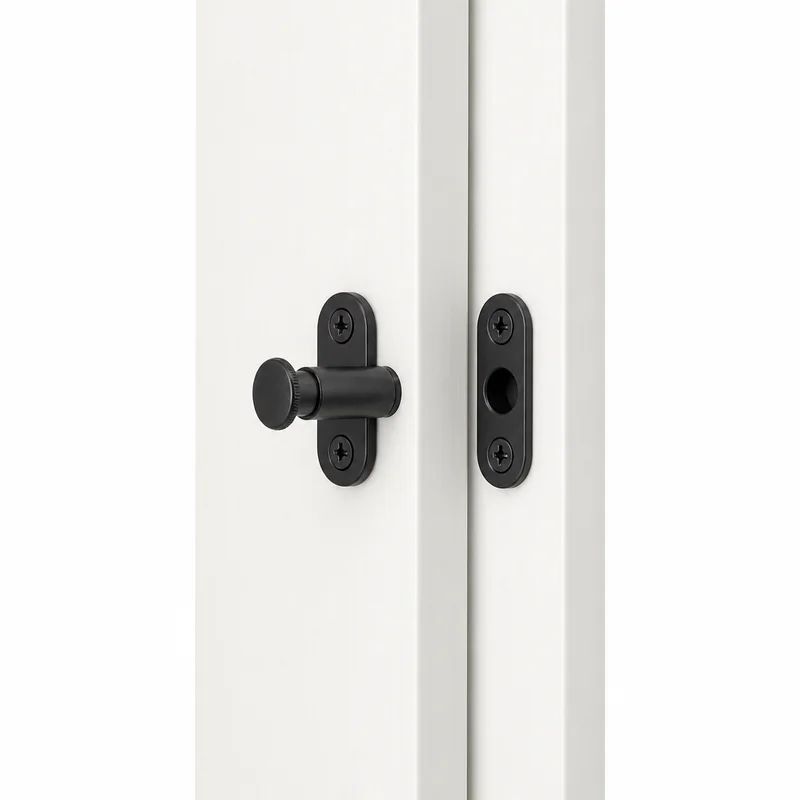
Sliding cupboard and wardrobe doors need locks designed for overlapping panels. Options include plunger locks, ratchet locks, and showcase locks that pin the two sliding doors together. They provide medium security and are essential for sliding wardrobes, display cabinets, and glass showcases where standard cam or rim locks will not fit.
12. Child-Safety Locks
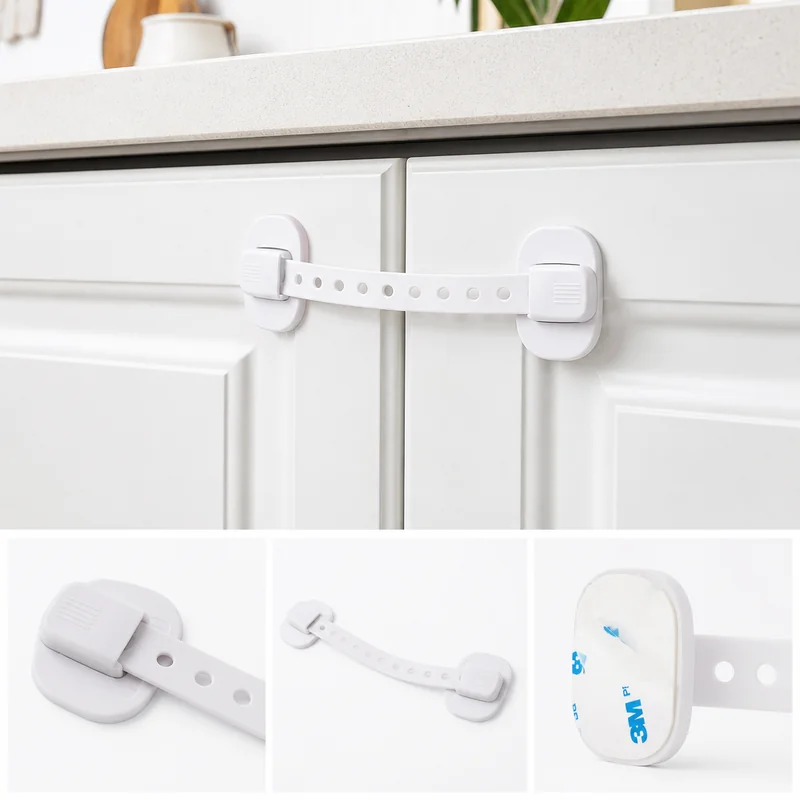
Child-safety cupboard locks — including magnetic latches, adhesive strap locks, and spring catches — keep toddlers out of cabinets containing cleaning chemicals, sharp tools, or medication. They are inexpensive, tool-free to install, and easy for adults to release while staying firmly closed for small children. Safety, not anti-theft security, is their purpose.
Which Type of Cupboard Lock Is Most Secure?
For pure security, mortise locks and deadbolt locks are the most secure cupboard locks because their bolts engage deep into the door or frame and resist prying. Electronic and smart locks are a close third, adding access logs and remote control on top of strong physical resistance. Magnetic, rim latch, and child-safety locks are the least secure and are designed for convenience or safety rather than theft protection. If you are storing firearms, cash, or sensitive documents, pair a deadbolt or mortise lock with a solid wooden or metal cupboard.
Best Cupboard Locks for Wooden Cupboards
Solid wood gives a lock something strong to bite into, so the best locks for wooden cupboards are mortise locks, cabinet deadbolts, and rim latch locks. Mortise locks deliver the cleanest look and the highest security for antique or solid-timber furniture, while rim latch and cam locks are quicker and cheaper for everyday wooden cabinets. For a deeper comparison of embedded lock bodies, read our breakdown of mortise vs cylindrical locks, and if you are protecting high-value items see our guide to types of safe locks.
Best Locks for Kitchen Cabinets & Child Safety
In kitchens the priority is usually child safety rather than theft, so magnetic locks, adhesive strap locks, and spring-catch child locks are the best choice. Magnetic locks are invisible from the outside and release with a magnetic key kept out of a child’s reach, while strap locks install in seconds without tools. For cabinets holding alcohol, medication, or cleaning chemicals, a small combination or cam lock adds an extra layer of control.
How to Choose the Right Cupboard Lock
Picking the right cupboard lock comes down to four simple factors:
- Security level: Match the lock to the value of the contents — deadbolts or mortise locks for valuables, magnetic or rim locks for everyday items.
- Access & users: For shared or frequent access, choose keyless combination or electronic locks; for personal use, a keyed cam lock is fine.
- Cupboard material & door type: Wooden, metal, glass, and sliding doors each need different lock styles — a sliding wardrobe, for example, needs a dedicated sliding door lock.
- Budget & installation: Surface-mounted rim and cam locks are cheap and DIY-friendly; mortise and electronic locks cost more and may need a professional.
Cupboard Lock Installation Tips
Most cam, rim latch, magnetic, and child locks are straightforward DIY jobs. A few tips make installation cleaner and more secure:
- Measure the door thickness before buying — cam and mortise locks are sized to specific thicknesses.
- Mark and pilot-drill holes to stop wood from splitting, especially on thin cabinet panels.
- Use the longest screws the door allows so the lock cannot be pulled loose.
- Test the alignment of the cam, latch, or strike plate before fully tightening.
- For mortise, deadbolt, or electronic locks — or if a cupboard is already locked shut — call a professional. Here is how locksmiths open locked doors without damage.
Final Thoughts
There is a cupboard lock for every need, from invisible magnetic latches that childproof a kitchen to mortise and deadbolt locks that protect valuables. Match the lock type to your security needs, who needs access, the cupboard material, and your budget, and you will get the right balance of protection and convenience. When in doubt — especially for high-security or built-in locks — consult a professional locksmith who can recommend and fit the ideal lock for your cupboard.
Frequently Asked Questions
What is the best lock for a cupboard?
The best lock for a cupboard depends on use: a mortise or deadbolt lock for high security on wooden cupboards, a cam lock for office cabinets and drawers, and a magnetic or child-safety lock for kitchen cabinets and childproofing.
Which cupboard lock is most secure?
Mortise and deadbolt locks are the most secure cupboard locks because their bolts engage deep into the door or frame and resist prying. Electronic smart locks add strong security plus access logs and remote control.
What is a cam lock?
A cam lock is a simple lock with a flat metal arm (cam) that rotates when you turn the key, locking or releasing the door behind it. Cam locks are widely used on cabinets, drawers, mailboxes, and display cases.
Are magnetic cupboard locks secure?
Magnetic cupboard locks offer low-to-medium security. They are excellent for childproofing and keeping doors shut without visible hardware, but they are not designed to stop a determined intruder. Use a deadbolt or mortise lock for theft protection.
Which lock is best for a wardrobe?
For a standard wardrobe, a mortise or cam lock works well. For a sliding-door wardrobe, use a dedicated sliding door lock such as a plunger or ratchet lock that pins the overlapping panels together.
How do you lock a sliding cupboard door?
Sliding cupboard doors are locked with plunger locks, ratchet locks, or showcase locks that secure the two overlapping panels together. These are made specifically for sliding doors, where standard cam or rim locks will not fit.
Are padlocks good for cupboards?
Yes. Paired with a hasp or loop, padlocks give portable, removable security for cupboards, sheds, and lockers. Weather-resistant padlocks with hardened shackles work well outdoors, and combination or smart padlocks remove the need for keys.
